Mold remediation for Cumberland Township, PA (Adams County, west and south of the borough): what the local housing stock does to moisture, what remediation costs in 2026, and how the S520 process applies to your street, not just your county.
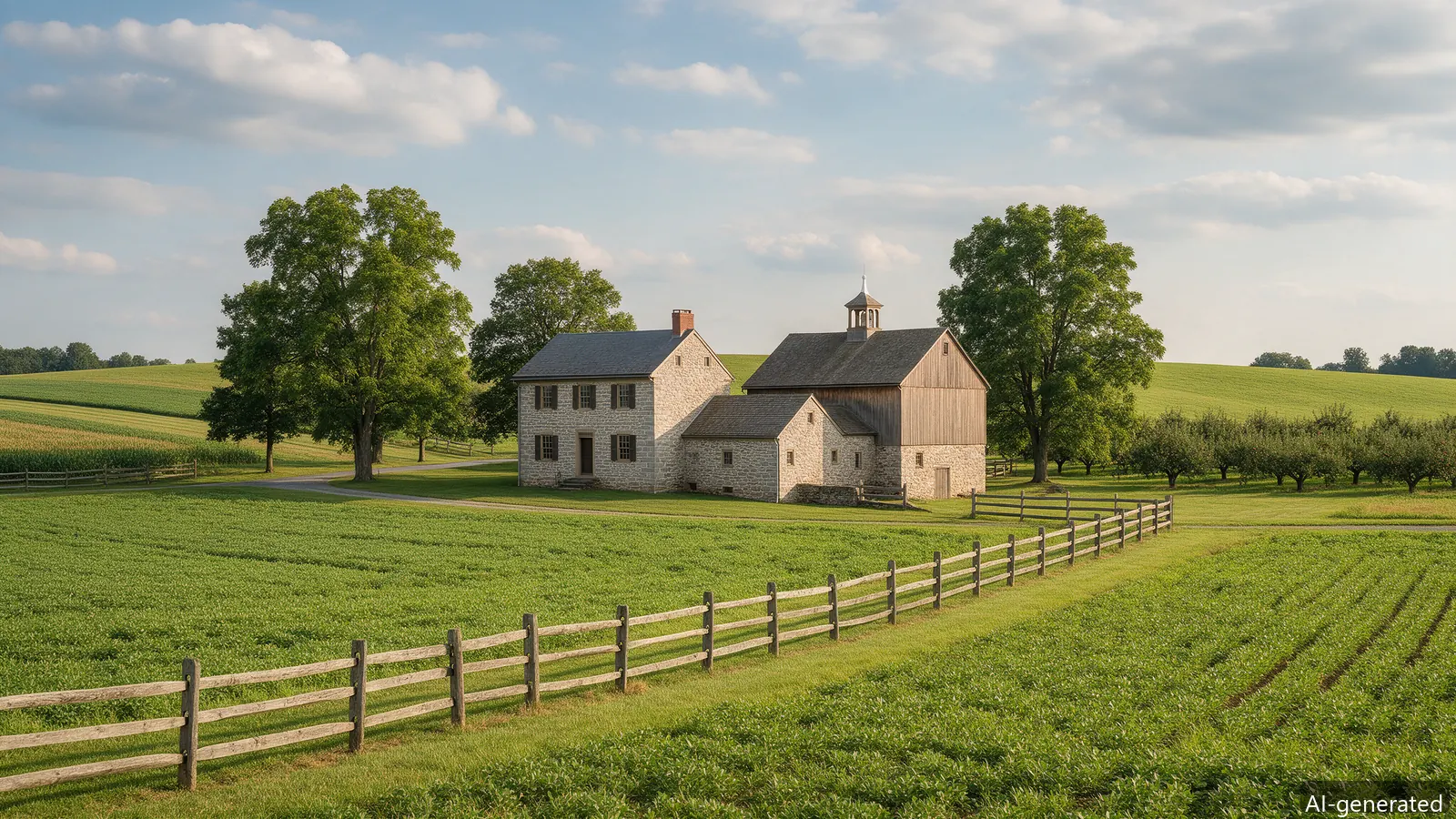
Housing stock: Battlefield-adjacent farmhouses, mid-century homes along Route 15/30 corridors, 1960s-2000s subdivisions.
Moisture profile: Rolling farmland on Gettysburg Formation shale; older barns and farmhouses with fieldstone or block foundations; newer subdivisions with crawl spaces.
The consequence is predictable: wet foundations meet organic finishes, and colonies establish where ventilation is worst. The fix is the same everywhere — find the water, contain, remove, dry, verify — but the water's path differs block to block, which is why every job starts with moisture mapping.
Work follows the ANSI/IICRC S520-2024 standard: preliminary determination (Conditions 1/2/3), containment with negative air where warranted, physical removal of contaminated porous materials, structural drying to meter-verified targets, and post-remediation verification. Pennsylvania licenses no mold trade, so the S520 is the reference point for what "professional" means here.
National 2026 data applies locally: typical jobs $1,223–$3,757 (average $2,368), $10–$25 per square foot, bathrooms $500–$1,000, basements $500–$3,000, whole-house projects $10,000–$30,000 (Angi / HomeAdvisor 2026). A written scope after an on-site visit is the only number worth planning around.
Room-by-room tables, testing prices, insurance basics.
Full 2026 cost breakdown →Most Gettysburg jobs run between $1,223 and $3,757, with a national average near $2,368 (Angi / HomeAdvisor 2026 cost data). Small bathroom jobs land at $500–$1,000; whole-house projects after a flood reach $10,000–$30,000. Work is typically priced at $10–$25 per square foot of affected area. A written quote after an on-site visit is the only reliable number.
Often yes when the mold follows a sudden, covered event like a burst pipe, with coverage limits and exclusions that vary by policy. Long-term humidity, seepage or deferred maintenance is usually excluded. Get a documented moisture source, photos and a written scope before filing.
EPA guidance: dry water-damaged materials within 24–48 hours and in most cases mold will not grow. Once established, colonies keep producing spores until the moisture source is fixed — cleanup without fixing the water means the problem returns.
The borough and surrounding Adams County townships — Cumberland, Straban, Mount Joy, Mount Pleasant, Highland, Franklin, Hamiltonban, Liberty and Freedom — plus Hanover, Littlestown, New Oxford, Fairfield, Carroll Valley, Biglerville and McSherrystown.