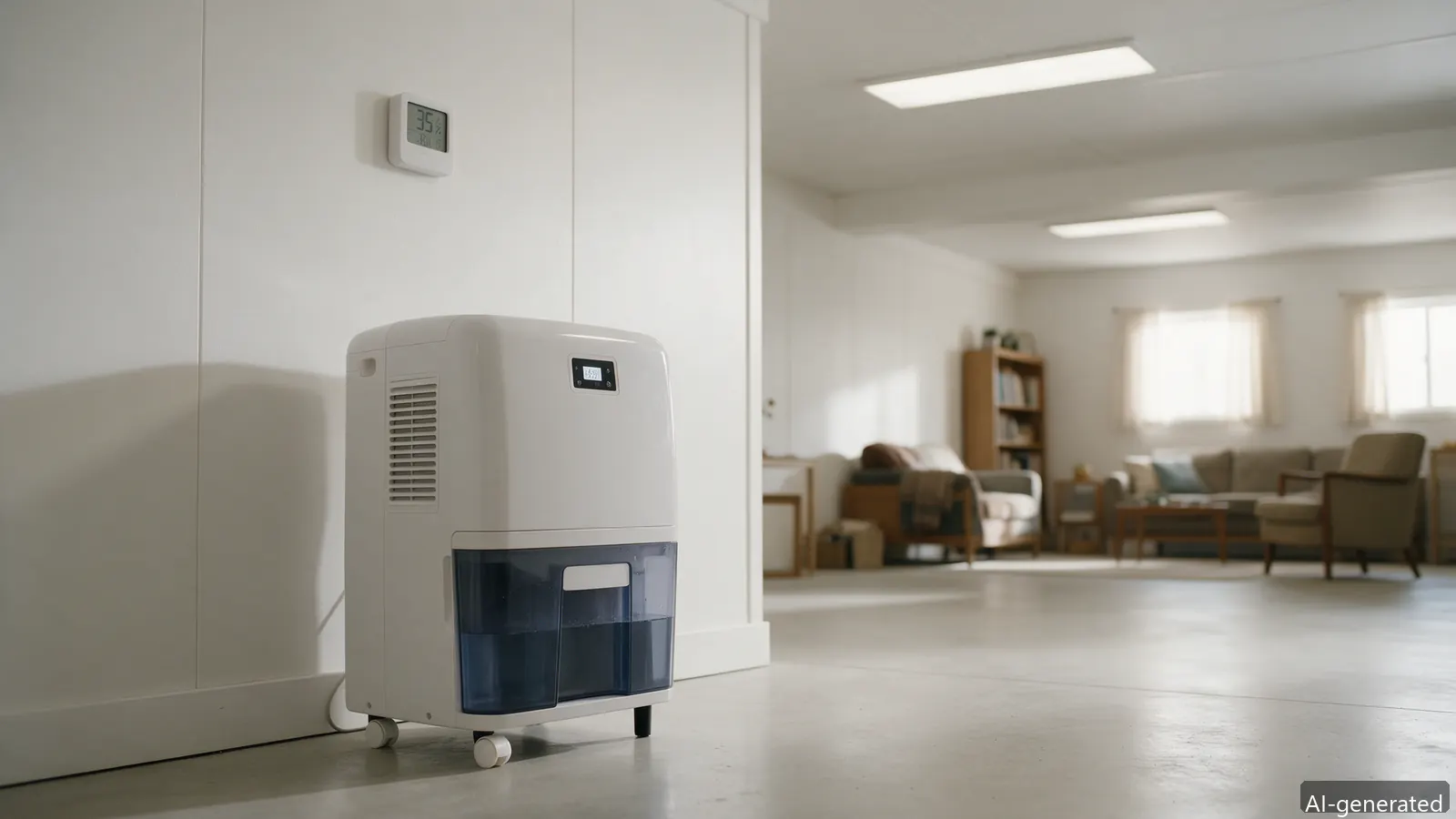
EPA says it first: the key to mold control is moisture control. In Gettysburg — 44 inches of rain, fieldstone foundations, humid Mid-Atlantic summers — prevention is a short list of habits that decide whether you ever meet a remediation crew.
Keep indoor relative humidity below 60% — ideally between 30 and 50% (EPA). Wet or damp materials dried within 24–48 hours of a leak will, in most cases, never grow mold. Those two numbers — a humidity band and a countdown — are the whole framework. Everything below is how to hold them in a Gettysburg house.
When a leak or spill happens: extract standing water, pull wet carpet pad, open wall cavities if insulation got wet, run air movers and a dehumidifier, and log meter readings until materials are dry. That single habit converts potential remediation projects into a hardware-store afternoon.
An inspection maps moisture before growth starts.
Not sure what your humidity is doing? →What professional remediation involves, step by step.
If growth already exists →EPA target: keep relative humidity below 60%, ideally between 30 and 50%. A $10–$50 hygrometer from any hardware store shows where you stand.
Always to the outdoors through the roof or wall — never into the attic. Attic-vented fans are the most common attic-mold cause we document in Adams County housing.
In most cases yes from May through September: 44 inches of annual rain (NOAA 1991–2020, Eisenhower NHS station) plus fieldstone foundations keeps basement RH above 60% without one.
EPA guidance: make sure the ground slopes away from the foundation so water does not collect around it. Two to three inches of drop per foot for the first several feet is the practical benchmark.
Extract standing water, pull wet carpet pad, open wall cavities if insulation got wet, run air movers and dehumidifiers, and log moisture readings until materials hit dry standards.